The definition of “Luxury” is evolving. It is no longer just about scarcity or high price tags. True modern luxury is about consciousness, longevity, and a connection to the natural world.
In an era of fast furniture and plastic-based decor, discerning collectors are seeking items with a soul—objects that are kind to the planet. This is where Japanese Calligraphy (“Sho”) stands apart as the ultimate form of Sustainable Luxury Art.
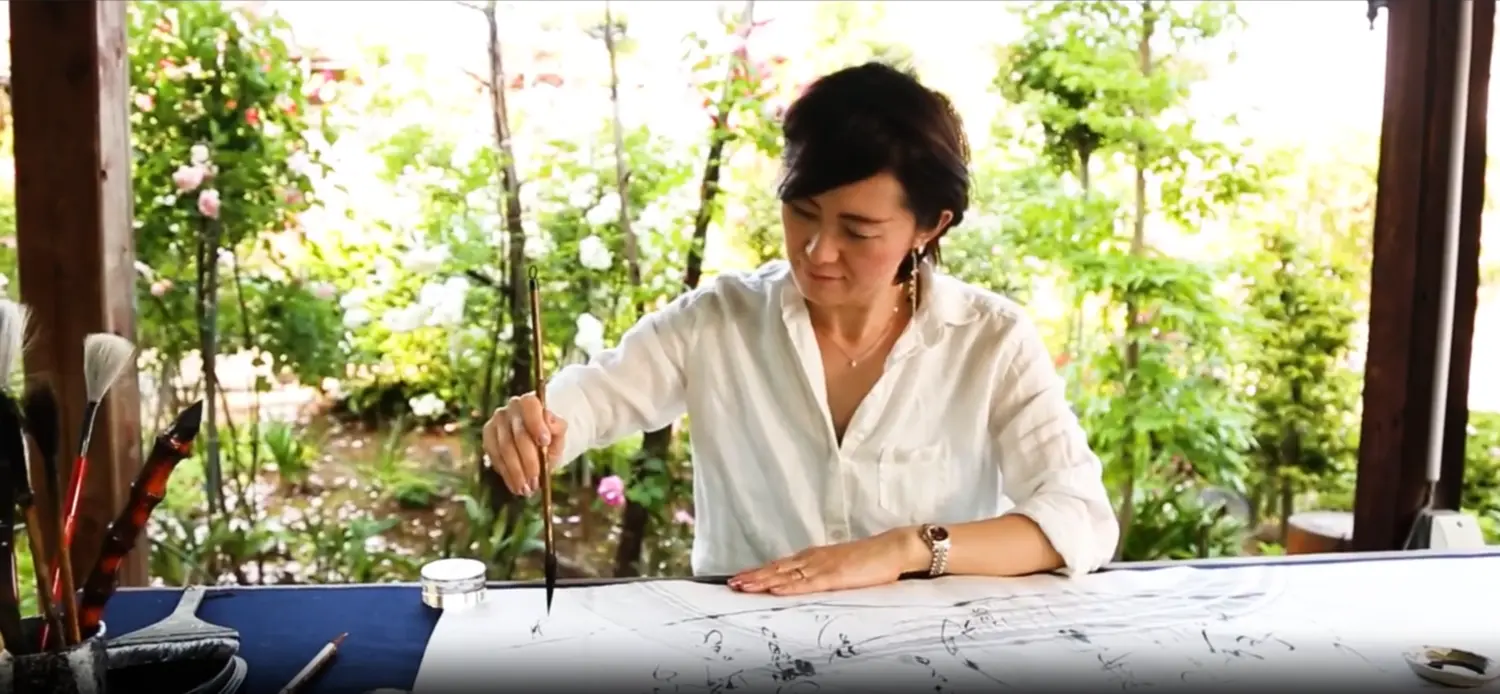
Art born from nature, not chemicals.
1. The Ingredients of Soul: Earth, Wood, and Fire
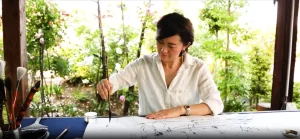
Unlike acrylic paints which are essentially liquid plastics, or mass-produced prints using chemical inks, traditional Japanese Sho is created from 100% natural elements.
- Sumi (Ink): Born from fire. It is made from fine soot (carbon) collected from burning vegetable oils or pine wood, mixed with “Nikawa” (animal glue) as a binder.
- Washi (Paper): Harvested from the earth. It is hand-made from the inner bark of renewable shrubs like Kozo (mulberry), utilizing sustainable farming practices that do not destroy forests.
- Fude (Brush): Crafted from bamboo and natural animal hair.
When you hang a piece of Sho in your home, you are not displaying synthetic materials. You are displaying the earth itself, transformed by human hands.
2. Longevity is Sustainability
True sustainability means buying less and choosing things that last. There is a misconception that paper is fragile. However, high-quality handmade Washi paper is incredibly durable.
While modern wood-pulp paper turns yellow and brittle within decades due to acidity, traditional Japanese Washi is pH-neutral and can last for over 1,000 years. Investing in Sho is investing in heirloom quality that can be passed down through generations, defying the “throwaway culture.”
3. The Biophilic Connection
Humans have an innate need to connect with nature (Biophilia). In modern homes dominated by concrete, glass, and metal, we crave organic textures.
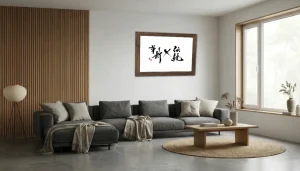
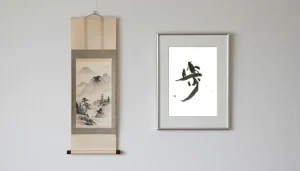
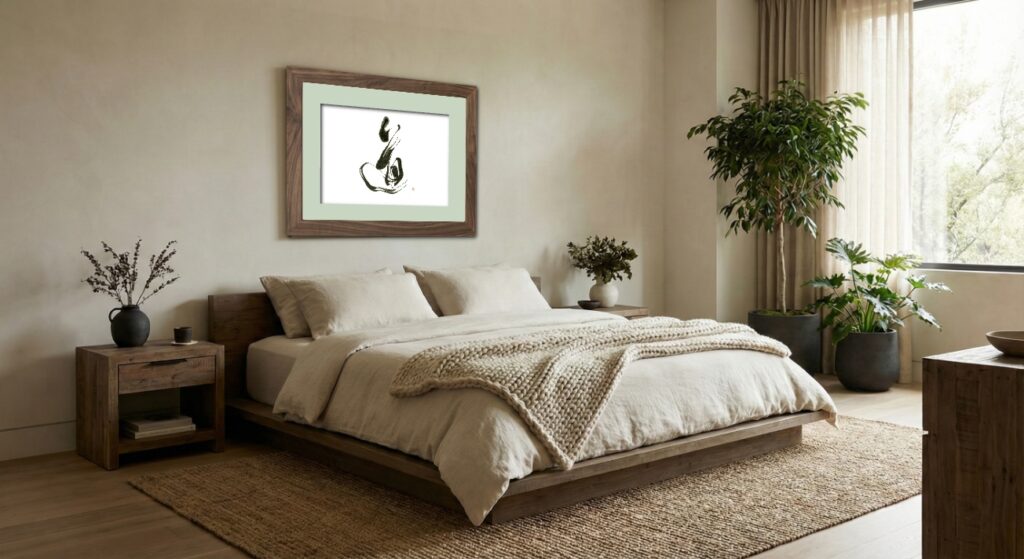
The fibrous texture of Washi paper and the matte, deep black of Sumi ink soften hard architectural lines. They bring a tactile, organic warmth to a room that glossy photos or canvas prints cannot replicate. It grounds the space and the people within it.
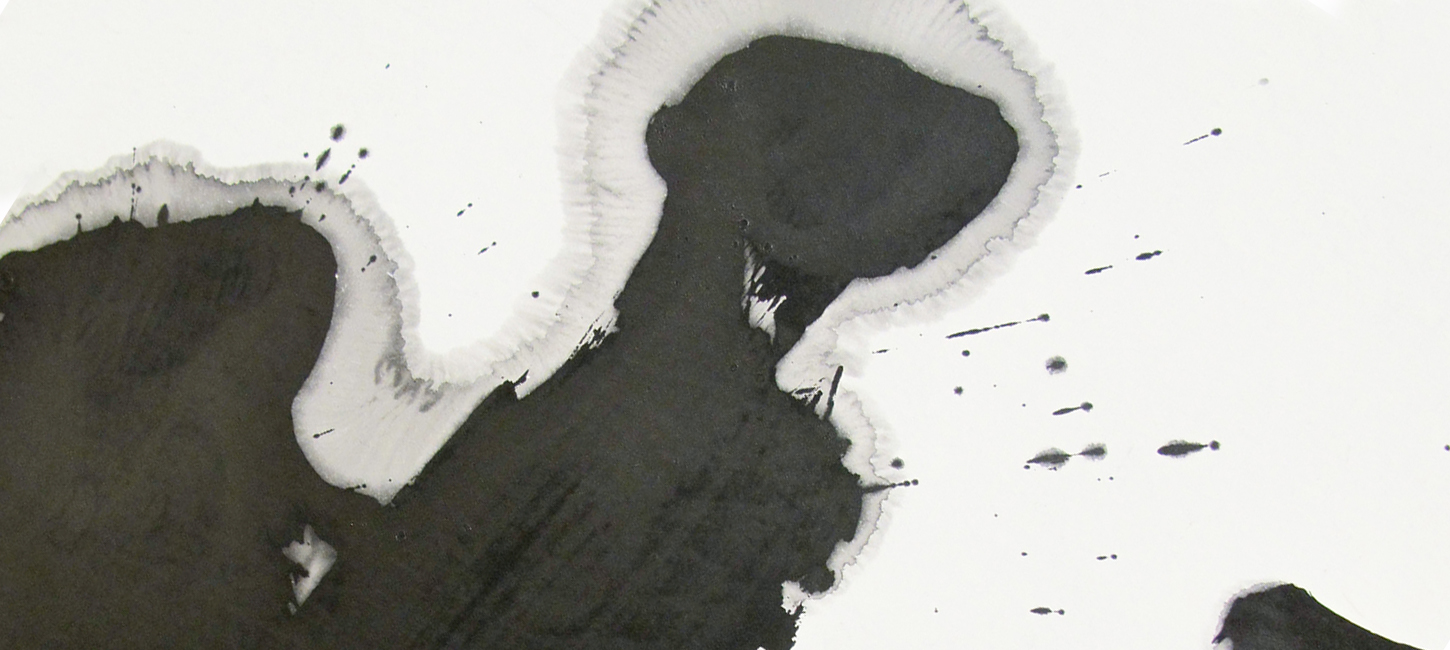
The organic texture of Washi brings warmth to modern architecture.
Bring Nature Inside
Ready to embrace conscious luxury?
Use our simulator to see how the organic textures of real ink and paper look on your walls.
サステナブル・ラグジュアリー:土、水、煤(すす)から生まれるアート
「ラグジュアリー」の定義は進化しています。それはもはや、単なる希少性や高価格を意味しません。真のモダン・ラグジュアリーとは、意識の高さ、長期的な価値、そして自然界とのつながりを意味します。
ファスト・ファニチャー(使い捨て家具)やプラスチック製品が溢れる時代において、審美眼を持つコレクターたちは「魂のあるモノ」、すなわち地球に優しいモノを求めています。ここで、日本の書(Sho)が、究極の「サステナブル・ラグジュアリー・アート」として際立つのです。
化学物質ではなく、自然から生まれたアート。
1. 魂の成分:土、木、そして火
本質的には液体のプラスチックであるアクリル絵具や、化学インクを使った大量生産のプリントとは異なり、伝統的な日本の書は100%自然の要素から作られています。
- 墨(Sumi):火から生まれます。植物油や松の木を燃やして採取した微細な煤(炭素)を、接着剤となる「膠(にかわ・動物性タンパク質)」で練り固めたものです。
- 和紙(Washi):大地から収穫されます。楮(こうぞ)のような再生力の強い低木の樹皮から手漉きで作られます。森林を破壊することのない、持続可能な農業実践の一部です。
- 筆(Fude):竹と天然の獣毛から作られます。
書を家に飾るということは、合成物質を飾ることではありません。人の手によって形を変えた「地球そのもの」を飾ることなのです。
2. 長寿命こそがサステナビリティ
真の持続可能性とは、買う量を減らし、長く使えるものを選ぶことを意味します。「紙は弱い」という誤解がありますが、高品質な手漉き和紙は驚くほど耐久性があります。
現代の木材パルプ紙は酸性のため数十年で黄色く脆くなりますが、伝統的な和紙は中性であり、適切に保管すれば1000年以上持つと言われています。書への投資は、「使い捨て文化」への抵抗であり、世代を超えて受け継ぐことのできる家宝への投資なのです。
3. バイオフィリア(自然への愛)との繋がり
人間には、本能的に自然と繋がりたいという欲求(バイオフィリア)があります。コンクリート、ガラス、金属に囲まれた現代の住宅において、私たちは有機的なテクスチャを渇望しています。
和紙の繊維質な手触りと、墨のマットで深い黒は、建築の硬いラインを和らげます。それは、光沢のある写真やキャンバスプリントには決して再現できない、触覚的な温かみを部屋にもたらし、空間とそこに住む人々を大地と繋ぎ止めてくれるのです。
和紙の有機的なテクスチャが、モダンな建築に温かみをもたらします。
自然を室内に取り入れる
意識の高いラグジュアリーを取り入れる準備はできましたか?
シミュレーターを使って、本物の墨と紙が持つ有機的なテクスチャが、あなたの壁でどのように見えるか確認してみてください。