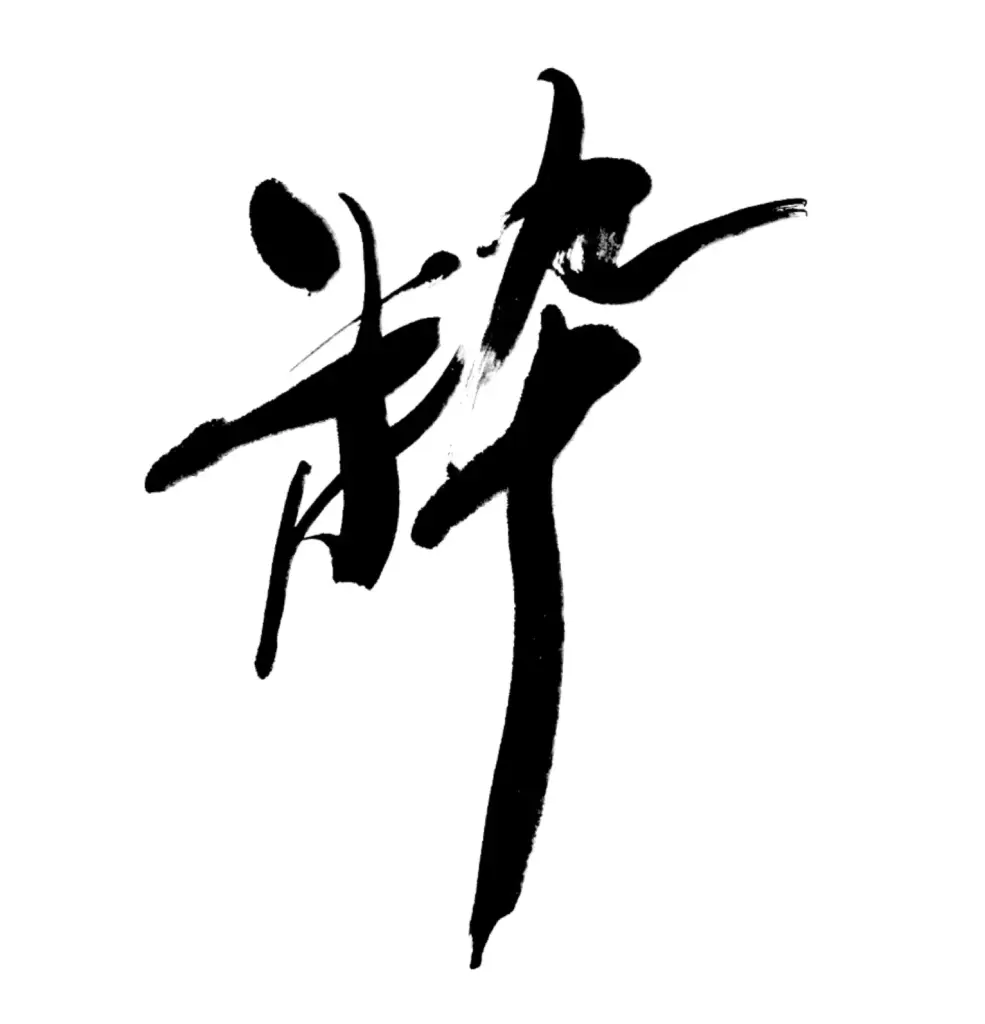
There are many words for “beautiful,” but there is only one word for “effortlessly cool.” That word is “Iki” (粋).
Originating in the Edo period (1603-1867), “Iki” is an untranslatable aesthetic that combines chic, style, and a touch of rebellious spirit. It is the opposite of “Yabo” (uncouth or trying too hard). For those who value understated luxury and sharp taste, this is your character.
1. Etymology: The Purest Essence
The character is composed of:
- Left: 米 (Rice) – Represents grain or substance.
- Right: 卒 (Finish / Soldier) – Here, it implies purity or sorting out.
Originally, it meant “Rice that has been perfectly polished without impurities.”
It signifies the “purest essence” of something. Just as refining rice reveals its true quality, a person who is “Iki” has refined their personality and appearance to the point where only the essential style remains.

2. Deep Meaning: Hidden Luxury
In Edo culture, showing off wealth was considered vulgar. “Iki” was about Hidden Luxury.
For example, a kimono might look simple and gray on the outside, but have a stunning, expensive silk lining on the inside. “Iki” is not about branding or logos; it is about confidence, playfulness, and knowing that true style comes from within. It is an attitude of “cool indifference.”
3. Where to Display “Iki” in Your Home
This character brings a sharp, fashionable, and urban vibe to the room.
- Walk-in Closet / Dressing Room: To remind you every morning that style is about attitude, not just clothes.
- Home Bar / Lounge: “Iki” is often associated with the nightlife and cultural districts of old Tokyo. It fits perfectly in a space designed for sophisticated leisure.
- Entrance: To signal to guests that this is a home of refined taste.
Styling Tip: “Iki” demands a Slender and Sharp style. The lines should be thin but strong, like a willow branch or a katana blade. Avoid heavy, blotchy ink. A minimalist black frame or a scroll with a subtle pattern enhances the chic aesthetic.
Define Your Style
Are you “Iki”?
Visualize a sharp, stylish “Chic” artwork in your dressing room using our simulator. It is the ultimate accessory for a refined life.
「美しい」を表す言葉はたくさんありますが、「気負いのないかっこよさ」を表す言葉は一つしかありません。それが「粋(Iki)」です。
江戸時代(1603-1867)に生まれた「粋」は、シックで、スタイリッシュで、そして少しの反骨精神を併せ持った、翻訳不可能な日本の美意識です。それは「野暮(Yabo)」の対極にあります。控えめなラグジュアリーと鋭いセンスを重んじる人にとって、これはまさにあなたのための文字です。
1. 成り立ち:純粋なエッセンス
この文字は以下の要素で構成されています。
- 左側:米(こめ) – 穀物や実質を表します。
- 右側:卒(そつ・おわる) – ここでは純粋さや、選り分けることを意味します。
元々は、「不純物がなく、完璧に精米された米」を意味していました。
それは物事の「最も純粋なエッセンス(混じり気のないもの)」を表します。米を磨くことでその真価が現れるように、「粋」な人とは、本質的なスタイルだけが残るまで、自分の人格や外見を洗練させた人のことなのです。
2. 哲学:隠された贅沢
江戸の文化において、富をひけらかすことは下品とされました。「粋」とは「隠された贅沢」のことです。
例えば、外側はシンプルで地味なグレーの着物でありながら、裏地(羽裏)には驚くほど高価で艶やかな絹を使うといった美学です。「粋」とはブランドやロゴのことではありません。それは自信であり、遊び心であり、真のスタイルは内側から滲み出るものだと知っていることです。
3. 「粋」を飾るのに相応しい場所
この文字は、部屋に鋭く、ファッショナブルで、都会的な雰囲気をもたらします。
- ウォークインクローゼット/ドレッシングルーム:スタイルとは衣服だけでなく、アティチュード(姿勢)であることを毎朝思い出させるために。
- ホームバー/ラウンジ:「粋」は江戸の遊び心や社交場と深く結びついています。洗練された大人の遊び場に最適です。
- 玄関:ここが洗練された趣味を持つ家であることをゲストに伝えるために。
スタイリングのヒント:「粋」には、「細く、鋭い」スタイルが求められます。柳の枝や日本刀のように、細いけれど芯の通った線が良いでしょう。重たく滲んだ墨は避けます。ミニマルな黒いフレームや、さりげない柄の入った表装が、シックな美学を引き立てます。
スタイルを定義する
あなたは「粋」ですか?
シミュレーターを使って、鋭くスタイリッシュな「粋」のアートをドレッシングルームに配置してみてください。それは洗練された人生のための、究極のアクセサリーとなるでしょう。