Beyond Tradition: Why Framed Calligraphy Art is the Ultimate Choice for Modern Japanese Artwork
Introduction: The Growing Desire for Authentic Japanese Artwork
The allure of Japanese aesthetics in global interior design is undeniable. Homeowners and commercial designers are increasingly seeking authentic Japanese artwork to inject serenity, depth, and a connection to nature into their spaces. However, when transitioning from admiration to acquisition, a crucial question arises: Among the rich options—from traditional Ukiyo-e and Suiboku-ga (ink painting) to contemporary pieces—which form best integrates with 21st-century modern interiors?
This article argues that while all Japanese art forms hold cultural value, framed Contemporary Calligraphy Art stands out as the ultimate choice for achieving harmony, flexibility, and philosophical depth in today’s living and working environments. We will explore the primary options and demonstrate why the unique dynamism of modern framed calligraphy offers unparalleled design benefits.
1. Surveying the Landscape: Traditional Choices for Japanese Interiors
For centuries, Japanese homes and commercial spaces utilized specific art forms suited to traditional architecture (such as the tokonoma alcove). Understanding these options reveals the design challenges they present in modern settings:
A. Ukiyo-e (Woodblock Prints)
- Aesthetic: Highly detailed, narrative, and colorful. They capture history, fashion, and famous landscapes.
- Design Challenge: Ukiyo-e, particularly classic pieces, can dominate a minimalist space due to their vibrant colors and complex compositions. They often demand a specific, traditional context to look integrated rather than isolated.
B. Suiboku-ga (Ink Painting)
- Aesthetic: Focused on landscapes or nature, utilizing nuanced shades of black ink. Highly philosophical and serene.
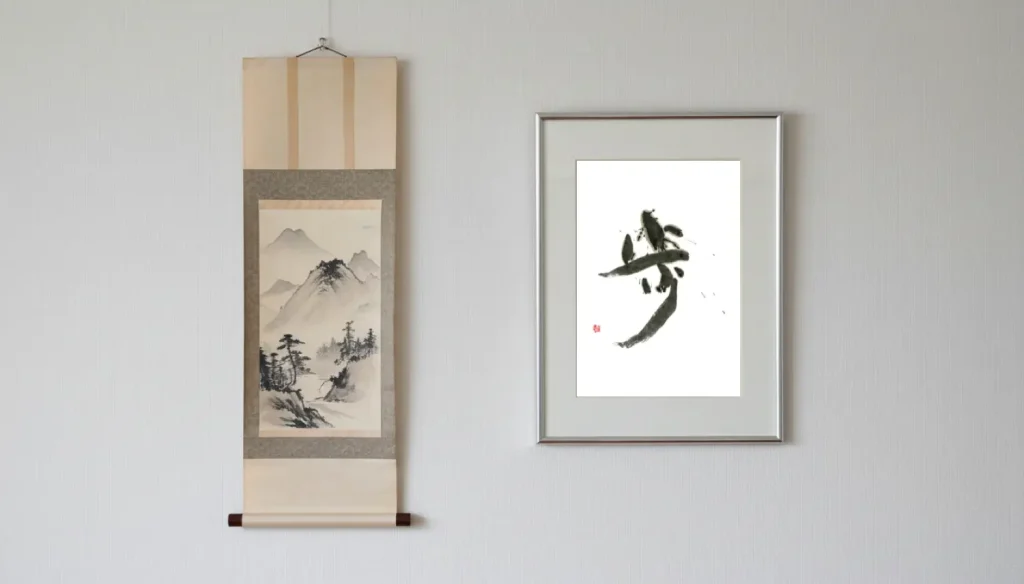
- Design Challenge: While beautifully minimalist, traditional Suiboku-ga often uses soft, uneven paper and relies on the format of a hanging scroll (Kakejiku). This format requires specialized mounting and maintenance, and the paper can appear fragile or out of place on a large, modern plaster wall.
C. Kakejiku (The Hanging Scroll Format)
- Aesthetic: Designed for temporary display in the tokonoma to honor the changing season or occasion. Highly traditional and ceremonial.
- Design Challenge: The fabric borders and rolling mechanism of the Kakejiku are inherently traditional. While beautiful, they can clash with the hard, clean lines of modern European or American architecture. They demand a deep understanding of Japanese etiquette to be displayed correctly and feel integrated into the design.
2. The Case for Modern Framed Calligraphy Art
Modern Framed Calligraphy Art resolves the aesthetic and practical limitations of traditional forms, offering a perfect blend of profound philosophical depth and contemporary design versatility. The solution lies in separating the timeless artistic gesture (the calligraphy stroke) from the restrictive traditional format (the hanging scroll).

A. Flexibility and Universal Integration (The Framing Solution)
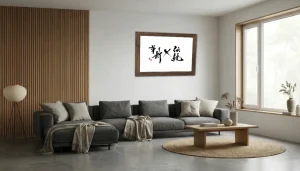
By moving the spontaneous energy of the brush onto a canvas or specialized paper and mounting it within a clean, minimalist frame (e.g., matte black, shadow box), the artwork gains universal design compatibility:
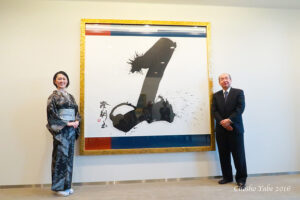
- Scale and Presence: Modern framing allows for large, architectural scale pieces that fill vast contemporary walls without requiring traditional display areas.
- Clean Lines: The frame establishes a clean, modern boundary that prevents the piece from looking like a fragile scroll on a plaster wall. It provides the visual weight necessary for integration with sturdy, modern furniture and materials (steel, glass, concrete).
- Maintenance and Durability: Works framed behind glass or acrylic are protected from dust and humidity, making them ideal for high-traffic commercial spaces, offices, and even kitchens, where maintenance is a practical concern.
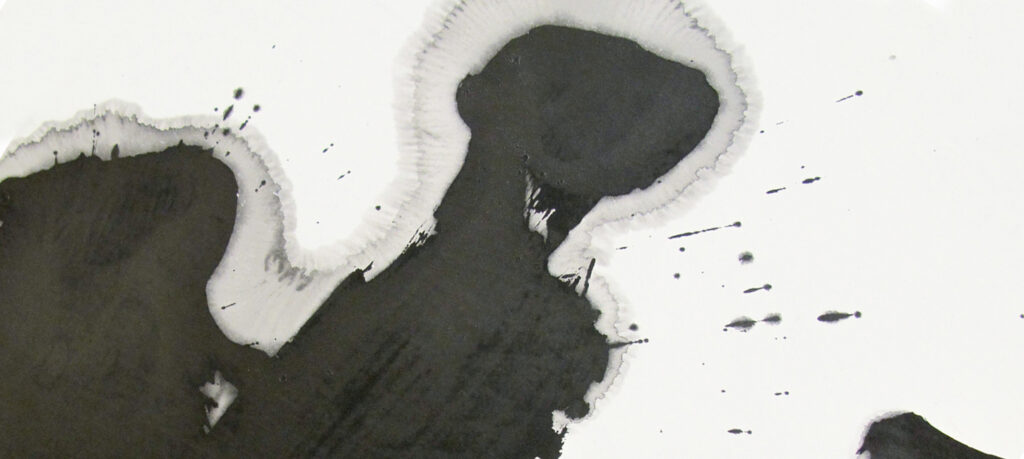
B. The Dynamic Power of the Stroke
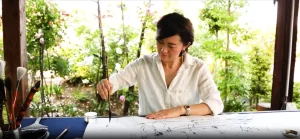
Contemporary calligraphy offers a kinetic energy that is uniquely suited to inspiring action and reflection in a workspace, far beyond the static nature of a print or painting.
- Philosophy in Motion: The stroke captures the artist’s Ichigo Ichie (一期一会, one-time encounter)—a concept of treasuring the fleeting moment. This dynamism injects life into otherwise static minimalist environments.
- Intentionality: The entire piece often consists of a single Kanji (e.g., Wa for Harmony, Shoshin for Beginner’s Mind). This simplicity forces the viewer’s focus, turning the artwork into a concise, powerful statement piece that anchors the room’s philosophical intent.
3. Conclusion: The Best Fit for the 21st Century
While the beauty of a Kakejiku is undeniable, its formal demands limit its versatility. Framed Calligraphy Art is the best choice for modern interiors because it retains the deep philosophical and cultural weight of traditional Japanese art while offering the versatility, durability, and bold scale demanded by contemporary global design. It allows you to select a powerful Japanese concept and display it as a true centerpiece, harmonizing effortlessly with any design from pure minimalism to luxurious modernism.
伝統を超えて:額装された書アートが現代日本の美術品として最高の選択である理由
はじめに:本物の日本のアートへの高まる要望
グローバルなインテリアデザインにおける日本の美意識の魅力は否定できません。住宅所有者や商業デザイナーは、空間に静けさ、深み、そして自然とのつながりを注入するために、本物の日本のアート作品をますます求めています。しかし、鑑賞から購入へと移行する際、重要な問いが生まれます。伝統的な浮世絵や水墨画から現代作品まで、豊富な選択肢の中で、21世紀のモダンインテリアに最も調和する形式は何でしょうか?
この記事では、すべての日本芸術が文化的価値を持つ一方で、額装された現代書道アートこそが、今日の居住空間およびビジネス環境において、調和、柔軟性、そして哲学的な深みを達成するための究極の選択肢として際立っていると主張します。主要な選択肢を探り、現代の額装書アートが提供する比類のないデザイン上の利点を解説します。
1. 芸術の選択肢:日本のインテリアにおける伝統的な選択肢
何世紀もの間、日本の住宅や商業空間は、伝統的な建築(例えば、床の間)に適した特定の芸術形式を利用してきました。これらの選択肢を理解することで、現代的な設定においてそれらが提示するデザイン上の課題が明らかになります:
A. 浮世絵(木版画)
- 美学: 非常に詳細で、物語性があり、色彩豊かです。歴史、ファッション、有名な風景を捉えています。
- デザイン上の課題: 浮世絵、特に古典的な作品は、その鮮やかな色彩と複雑な構図のため、ミニマルな空間を支配してしまう可能性があります。統合されているように見せるには、孤立しているように見せるのではなく、特定の伝統的な文脈を必要とすることがよくあります。
B. 水墨画(墨絵)
- 美学: 風景や自然に焦点を当て、墨の微妙な濃淡を活用しています。非常に哲学的で静謐です。
- デザイン上の課題: 美しくミニマルではありますが、伝統的な水墨画はしばしば柔らかく不均一な紙を使用し、掛け軸(Kakejiku)の形式に依存しています。この形式は専門的な取り付けとメンテナンスが必要であり、モダンな漆喰の壁では紙が脆く見えたり、場違いに見えたりすることがあります。
C. 掛け軸(Kakejiku – 掛物形式)
- 美学: 季節や機会を祝うために、床の間に一時的に飾るためにデザインされています。非常に伝統的で儀式的です。
- デザイン上の課題: 掛け軸の布の縁や巻き取りの仕組みは、本質的に伝統的です。美しい一方で、モダンなヨーロッパやアメリカの建築の硬くクリーンなラインとは衝突する可能性があります。デザインに統合されていると感じさせるには、正しく表示するための日本独特の深い理解を必要とします。
2. 現代額装書アートが選ばれる理由
現代額装書アートは、伝統的な形式の美的および実用的な限界を解決し、深い哲学的な深みと現代的なデザインの汎用性の完璧な融合を提供します。その解決策は、時代を超越した芸術的なジェスチャー(書道のストローク)を、制約的な伝統的な形式(掛け軸)から切り離すことにあります。
A. 柔軟性と普遍的な統合(額装ソリューション)
筆の自発的なエネルギーをキャンバスまたは特殊な紙に移し、クリーンでミニマルな額(例:マットブラック、シャドーボックス)に収めることで、アートワークは普遍的なデザイン互換性を獲得します:
- スケールと存在感: 現代的な額装は、伝統的な展示スペースを必要とせずに、広大な現代の壁を埋めるための大きな建築的スケールの作品を可能にします。
- クリーンなライン: 額は、作品が漆喰の壁の上の脆い掛け軸のように見えるのを防ぐ、クリーンでモダンな境界線を確立します。これにより、頑丈なモダン家具や素材(スチール、ガラス、コンクリート)との統合に必要な視覚的な重さが提供されます。
- メンテナンスと耐久性: ガラスやアクリルで額装された作品は、ほこりや湿気から保護され、メンテナンスが実用的な懸念事項となる高トラフィックの商業空間、オフィス、さらにはキッチンにも理想的です。
B. ストロークのダイナミックな力
現代書アートは、プリントや絵画の静的な性質をはるかに超え、ワークスペースにインスピレーションと内省を促すのに独自に適した動的なエネルギーを提供します。
- 動きの中の哲学: ストロークは、アーティストの一期一会(一回限りの出会いを大切にする)というコンセプトを捉えます。このダイナミズムは、そうでなければ静的なミニマルな環境に生命を吹き込みます。
- 意図性: 作品全体が単一の漢字(例:調和のための和、初心のための初心)で構成されていることがよくあります。このシンプルさが見る者の焦点を強制し、アートワークを部屋の哲学的な意図を固定する簡潔で強力なステートメントピースに変えます。
3. 結論:21世紀に最適なフィット
掛け軸の美しさは否定できませんが、その形式的な要求は汎用性を制限します。額装された書アートは、伝統的な日本芸術の深い哲学的および文化的重みを保持しつつ、現代のグローバルデザインが要求する汎用性、耐久性、および大胆なスケールを提供するため、モダンインテリアに最適な選択肢です。これにより、強力な日本のコンセプトを選択し、純粋なミニマリズムから豪華なモダニズムまで、あらゆるデザインと楽に調和する真のセンターピースとして飾ることができます。